The idea behind the Pulse Charge water bottle blends two daily essentials into one product. Hydration meets device charging in a single design, which raises an obvious question. Can it actually replace a power bank and wireless charger, or does it work better as a backup solution? This review explores real performance usability and where it fits into everyday life.
Traditional Charging Vs Pulse Charge Smart Bottle
How a Standard Power Bank and Wireless Charger Works
You need different tools to use a power bank and a wireless charger together. A power bank stores energy and sends it through cables. A wireless charger, on the other hand, uses induction to send power without making physical contact. A lot of individuals still carry both, depending on how easy it is to use and whether their devices work with them.
Knowing what Qi Wireless is can help you understand how this bottle works. Qi technology lets gadgets that work with it charge only by being put on a surface. It gets rid of cable clutter, but it usually needs a sturdy surface, which makes it hard to move.
Key Differences In Convenience and Functionality
The Pulse Charge water bottle changes this configuration by merging charging and drinking into one item. You don't have to deal with wires, chargers, and bottles individually; everything stays in one product.
You can see the main changes when you use them every day:
- Fewer things to carry when you travel or go to work.
- Built-in cable storage keeps everything neat.
- The option to charge wirelessly gives you more freedom without wires.
People on forums say that the idea is useful for short trips. But other people say that integrating two tasks also implies making certain sacrifices, including in terms of weight and charging output.
Real Life Performance as a Charging Device
Battery Capacity and Output Expectations
The Pulse water bottle has a 6000mAh battery, which makes it more like a small power bank than a big one. In real life, this means about two full charges for a smartphone, depending on the size of the gadget and how you use it.
This amount of space is great for day trips or business. It keeps gadgets charged during normal use, although it might not be enough on days when you travel a lot. People who use navigation apps or stream a lot tend to use up their batteries faster, which limits how far this capacity can go.
The inclusion of both USB ports and wireless charging adds flexibility. You can switch between wired and wireless depending on urgency or device compatibility.
Charging Speed Compared to Typical Devices
Expectations need to change when it comes to charging speed. The wireless output is 5W, which is slower than what most new rapid wireless chargers can do. Charging using USB ports works better when the device is plugged in, although it still works with conventional output instead of fast charging methods.
When people talk about similar products, they typically bring up this trade-off. Wireless charging is easy to use, although it takes longer. It works nicely for fast top-ups during the day. When you need to charge something quickly, classic fast chargers are still the best.
In real life, this implies that the bottle works best as a backup charger that stays plugged in all the time.
Practical Benefits Beyond Charging
Hydration and Daily Carry Convenience
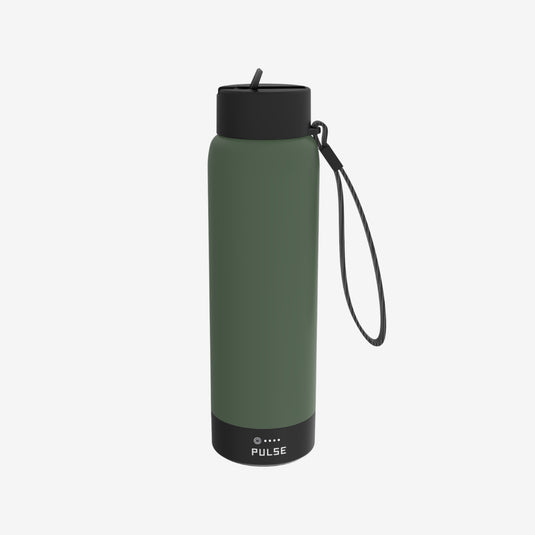
The biggest advantage of the Pulse Charge water bottle comes from how naturally it fits into daily routines. A water bottle is already something people carry, so adding charging capability does not require extra effort.
The insulated structure keeps drinks hot or cold for up to 12 hours, which is highly useful in everyday life. It doesn't feel like you're carrying a device; it feels like a valuable upgrade to something you already need.
This combination creates subtle convenience. You are less likely to forget your charger because it is attached to something you already depend on.
Minimalist Travel and Reduced Gear
Travel is where this product stands out the most. Carrying fewer items simplifies packing and reduces clutter in bags. Instead of juggling a bottle, cables and a separate power bank, everything stays in one place.
People who travel frequently often mention the appeal of reducing small accessories. It removes the need to search through bags for cables or chargers during busy moments like boarding or commuting.
The design also supports this use case:
- The charging base can be taken off to keep gadgets apart when needed.
- Built-in cable storage keeps wires from getting tangled.
- Being able to work with more than one device makes it more useful.
This method works well with people who don't like to pack a lot and want to make things easy.
Limitations to Consider Before Replacing Your Power Bank
Situations Where It May Fall Short
The idea is useful, but it doesn't work in every case as a full replacement for a regular power bank and wireless charger. After a while, several limits become obvious.
- Battery capacity may not last through long travel days.
- Wireless charging requires placing the base on a flat surface.
- Slightly heavier than a standard bottle due to the built-in battery.
Some people on forums note that unscrewing the base for wireless charging adds an extra step. It works well on desks or flat surfaces, but feels less convenient while moving. These characteristics don't make it useless; they only show where it works best.
Who Should Still Keep a Backup Charger
This device is good for people who use it lightly to moderately and desire ease of use above optimum performance. But some people may still need a separate charging setup.
You might want a backup if:
- You need to charge your phone quickly several times a day.
- You go on long trips where you can't get power.
- You often charge more than one device at a time.
Reviews of pulse chargers typically say they like the idea, but also say they need to keep a regular charger for when they need to use it a lot. This balance shows realistic expectations instead of problems with the product.
Frequently Asked Questions
How Much Can the Pulse Charge Water Bottle Charge a Phone?
Most smartphones can get two full charges using a 6000mAh battery. The actual outcomes depend on how big the battery is and how you use it.
Is It Safe to Use Electronics Inside a Water Bottle?
The charging unit is separated from the liquid compartment. Removing the base before cleaning ensures safety and prevents damage.
Can It Replace a Power Bank and Wireless Charger Completely?
It can replace them for short daily use or light travel. For heavy usage, most people still keep a dedicated charger as backup.
Does Wireless Charging Work With All Phones?
It works with devices that support Qi wireless charging. This includes most modern smartphones and wireless earbuds.
Is the Pulse Charge Water Bottle Allowed On Flights?
Yes, you can carry it in your carry-on. Because of rules on liquids, the bottle has to be empty when going through security.
The Pulse Charge water bottle from Pulse Charge is a useful way to stay hydrated and charge your phone at the same time. It fits easily into daily life. It doesn't intend to replace high-performance charging devices, but it does make things easier where it counts. It works well for everyday use, short trips, and setups that don't require a lot of gear.
Stay updated with the latest in smart everyday technology by following StylishAddons.